

How a directory site can earn money: the options, honestly
Featured listings, paid submissions, advertising, memberships and affiliate links all work for some directories. Here is how each one works, what it costs you in trust, how to set a price, and what to settle before charging anyone.

A directory script gives you the pages. Whether the site earns anything depends on whether people find it useful enough to pay for visibility in it, or to see an advertiser's message on it. There is no formula, and anyone who promises a specific income from a script is guessing.
What you can do is choose a model that fits your audience, price it sensibly and be straightforward about it. This guide compares the common models, shows how to think about a price without made-up numbers, and lists what to settle before you take a single payment.
The models at a glance
| Model | Works best when | Main risk |
|---|---|---|
| Featured listings | Owners compete for attention | Paid placement reads as a quality ranking |
| Paid submissions | The directory is the known place for a niche | Charging before there are visitors |
| Advertising | Traffic is steady and focused | Ads burying the listings |
| Memberships | Owners come back regularly | Extras that are not worth a subscription |
| Affiliate links | You genuinely recommend the product | Recommendations driven by commission |
Featured or promoted listings
Owners pay to have their listing shown more prominently: pinned at the top of a category, highlighted, or shown on the home page for a set period.
- Works best when the audience clearly benefits from the directory and owners compete for attention.
- Watch out for paid placement that looks like a ranking of quality. Label promoted listings clearly as promoted, and keep organic rankings genuinely organic.
- Decide first: how long a promotion lasts, how many slots exist, what happens on refunds, and whether you can remove a promoted listing that breaks your rules.
Several scripts on the marketplace ship this ready-made. Minelist, for example, lists featured slots, sponsored placements and a Pro upgrade with PayPal flows; MCPList lists premium submissions and sponsorship tiers. The prices you see in their descriptions are defaults that you change in the admin. Treat them as starting points to test, not as what your market will pay.
Paid submissions
Charge a one-time or recurring fee to be listed at all. This also filters out junk.
- Works best when your directory is the established place for a niche.
- Watch out for charging before the directory has visitors. Owners will not pay to join an empty site.
- Decide first: what the fee covers (a review, a year of listing, edits) and whether rejected submissions are refunded.
Advertising
Display ads or direct sponsorships sit beside the listings.
- Works best when you already have steady traffic and a focused audience that an advertiser wants to reach.
- Watch out for layouts that bury the listings under ads. Visitors leave, and then there is nothing to advertise against.
- Decide first: which placements exist, who approves advertisers, how creatives are checked, and what content you will not carry.
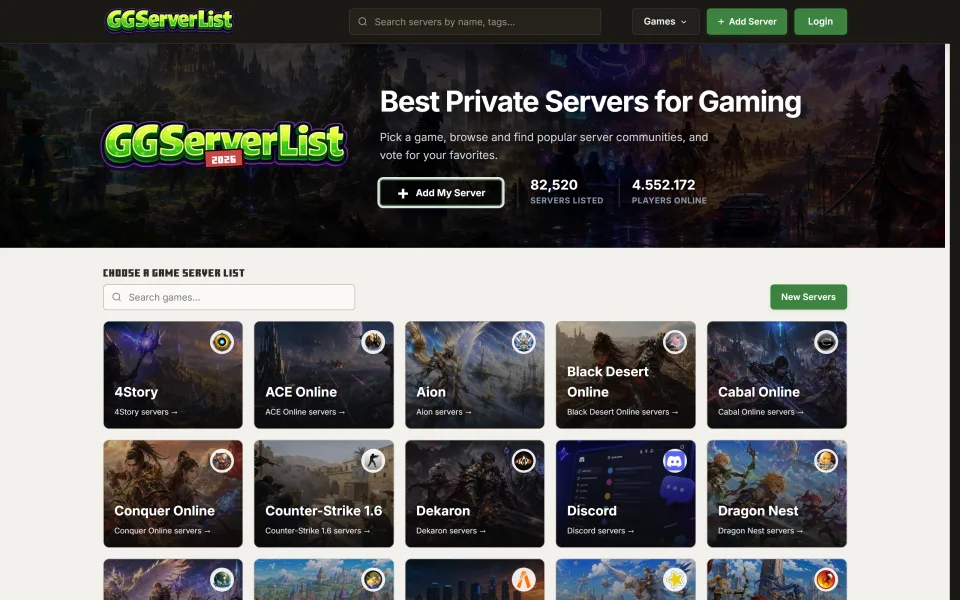
Selling banner or sponsor slots directly to the owners in your directory is usually easier than running an ad network, because you are selling something specific to people who already know your audience. GGServerList takes a related approach with site credits that owners spend on premium listings and ad campaigns.
Memberships
Owners subscribe for extras: more images, an analytics view, priority support, or the ability to respond to reviews.
- Works best when owners return to the site regularly and the extras save them real time.
- Watch out for locking away basics. Paid tiers should add value, not remove what a free listing needs to be useful.
Affiliate links
If a listing leads to a product or service that runs an affiliate programme, a link can earn a commission when someone buys through it.
- Works best when the recommendation is natural to the directory's topic, such as a "best of" list.
- Watch out for disclosure. In many places you are required to say when a link earns you money. Check the rules that apply where you and your visitors are, and state it plainly near the link.
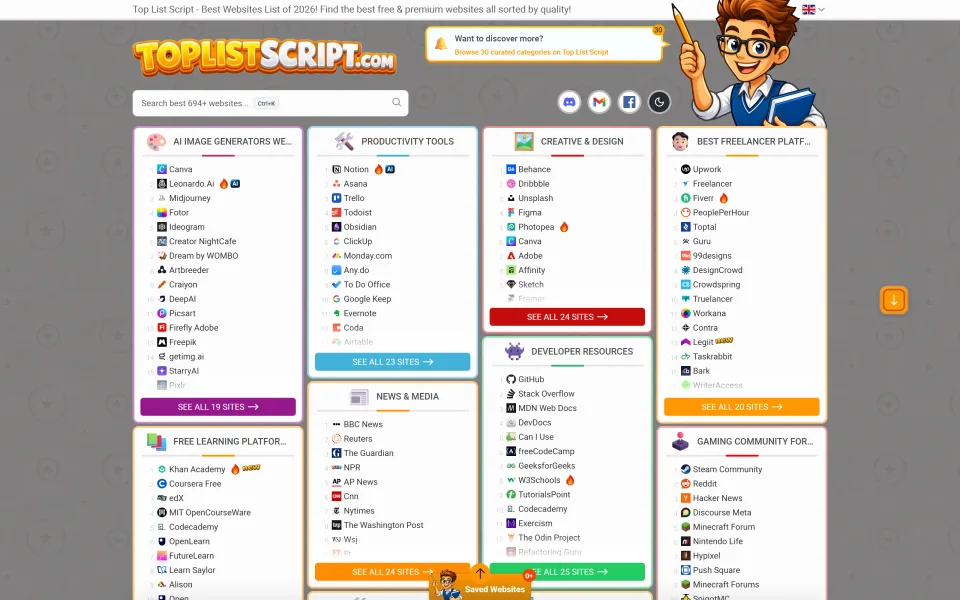
ToplistScript is built around this model: it has affiliate URL fields per entry and a featured flag you can sell offline. Its listing is explicit that it does not include a built-in checkout for selling slots, so check what a script does and does not ship before you plan around it.
How to think about a price
You do not need a spreadsheet of forecasts. You need a few honest questions, answered with your own numbers once you have them:
- What does a visitor to a listing page do? Look at how many visitors reach listing pages and how many click through or vote. Before you have visitors, you have no basis for a price, which is the real reason not to charge yet.
- What is the alternative for the owner? An owner can promote through a community, a social account, a rival list or paid ads. Your price has to feel fair next to those, for a result they can see.
- What does a slot cost you to fulfil? Include your time for approvals and support, payment fees and your own tax.
- Can you stand behind it? A cheaper offer you can deliver and renew is better than a premium offer you cannot support.
A simple way to test: offer a small number of slots at a price you would be comfortable refunding, tell owners honestly how much traffic you have, and raise or drop the price based on whether they renew. If nobody renews, that is information about the value, not a reason to hide the numbers.
Before you charge anyone
Whatever you choose, settle these first:
- Terms. Write down what owners get, what they must not do, and when you can remove a listing. The terms and refund policy of this marketplace show the level of detail people expect, but they are not a template for your own site: get your own text reviewed.
- Payments and tax. Use a payment provider you trust, keep records, and find out what tax obligations apply to you. This varies a lot by country. Read the payment provider's own rules on what you may sell through it.
- Moderation capacity. Paying customers expect a reply. Do not sell more than you can support. The moderation guide covers the workload.
- Honesty. Mark sponsored content as sponsored and keep organic listings genuinely organic. Never promise rankings, traffic or sales to someone who is paying you.
- Platform rules. If your directory covers a game, read that game's rules on commercial use, paid content and its brand. Selling visibility to servers is not the same as selling something the publisher controls, but the rules differ and change.
- Licenses. If you charge owners for access to a site built on a script you bought, check what your license allows: Regular vs Extended license, explained.
Start small and measure
Pick one model, run it for a while, and look at what actually happens: how many owners ask about it, how many visitors click, how many complaints you receive. Add a second model only when the first one works. A smaller directory people trust earns more reliably than a larger one they avoid.
If you have not launched yet, start with how to launch a game server list website.
Frequently asked questions
How much can a directory earn?
Nobody can answer that for your site, and anyone quoting a figure for a script is guessing. Income depends on traffic, niche, pricing and how much work you put in. Plan as if it may earn nothing at first and cover your costs another way.
Should I charge owners to be listed?
Usually not at the start. A free listing builds the catalogue and the traffic that make paid options worth buying. Paid submissions make more sense once your directory is the known place for its niche.
Do I need to tell visitors that a listing is sponsored?
Yes. Label it clearly, and check the advertising and consumer rules where you and your visitors are. This also protects trust in your rankings.
Can I use affiliate links on a directory?
Yes, if you disclose them and the recommendation is honest. Check the terms of each affiliate programme as well as local rules.
Is selling votes or rankings acceptable?
No. Selling votes or buying them undermines the thing a list sells, which is trust, and many platforms and communities prohibit it. Sell visibility that is labelled as such.
Game and platform names mentioned on this site belong to their respective owners. CodeMercio and its sellers are independent and are not affiliated with or endorsed by them.
Scripts mentioned in this post

PHP
Minelist — Minecraft Server List Script
Self-host a Minecraft server list like minelist.io: Java & Bedrock listings, votes, featured slots, Pro monetization, admin panel, and SEO-ready pages on PHP + MySQL.
- Plain PHP
- minecraft
- server list

Regular license price
USD 149.99
, was
USD 199.99
New listing Updated
PHP
GGServerList — Multi Game Server List Script
Self-host a multi-game private server list like ggserverlist.com: 50+ games, votes, reviews, premium ads, owner dashboard, admin panel — plain PHP + MySQL. Earn with credits, Premium, Top/Sticky ads, and video campaigns.
- Plain PHP
- server list
- multi game

Regular license price USD 299.99
New listing Updated
PHP
MCPList — MCP Server Directory Script
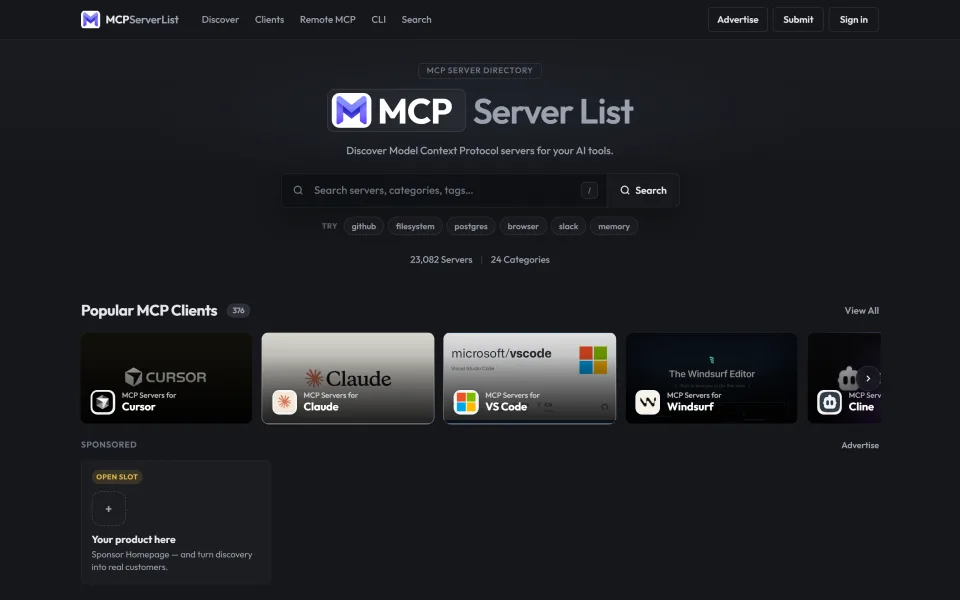
Self-host an MCP server directory like mcpserverlist.net and earn with premium $49.99 listings plus Platinum/Gold/Silver sponsorships. Plain PHP + MySQL, clients catalog, reviews, OAuth, and admin billing.
- Plain PHP
- mcp
- model context protocol

Regular license price USD 299.99
New listing Updated
PHP
ToplistScript — Website Directory & Toplist CMS
Self-host ranked website directories and review hubs: SEO categories, affiliate entries, appearance CMS, optional AI, submissions, plain-PHP installer. Earn via affiliate URLs, Featured placements, and moderated submissions.
- Plain PHP
- directory
- toplist

Regular license price
USD 224.99
, was
USD 299.99
New listing Updated

Comments
Sign in or create an account to comment.
No comments yet. Be the first.